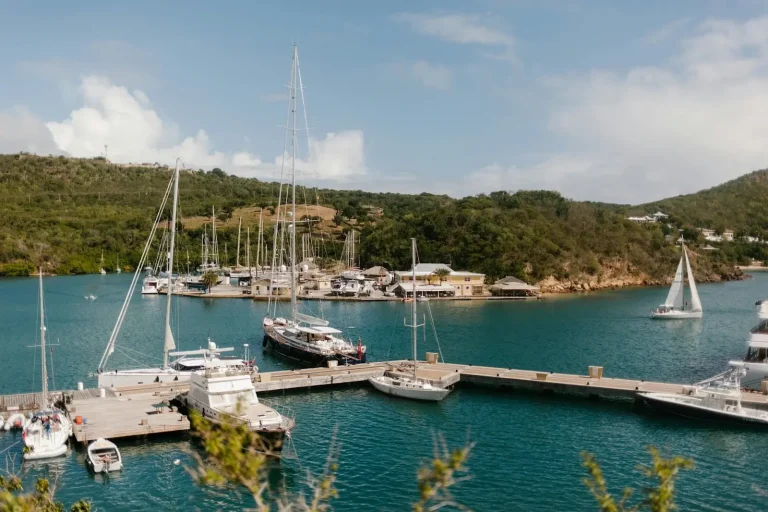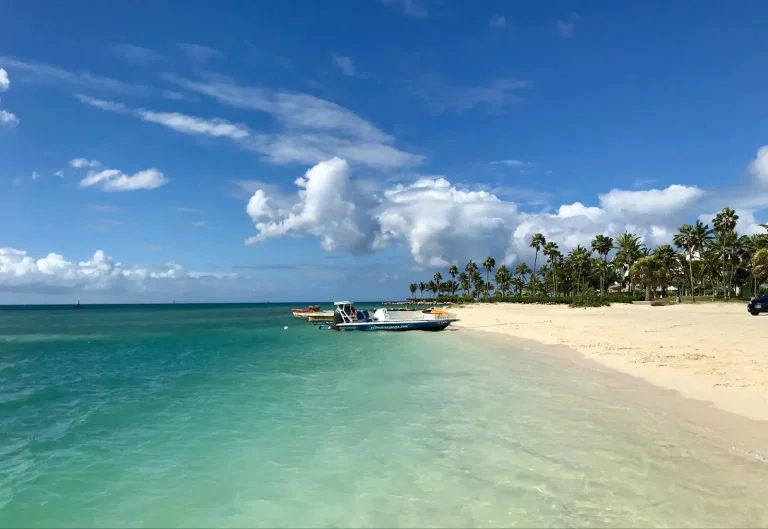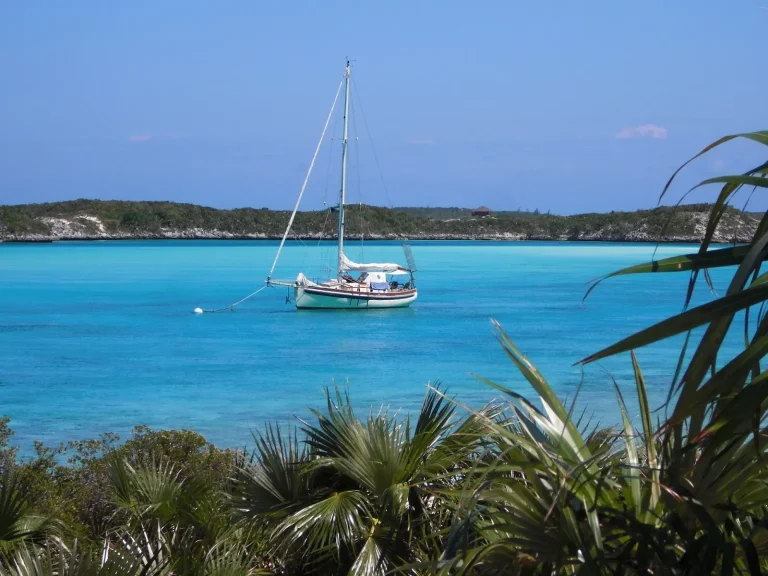


Where Quiet Luxury Meets Caribbean Authenticity,” as featured in this St. Vincent & The Grenadines Travel Guide below:
St. Vincent and the Grenadines is a beautiful place in the Caribbean. It has 32 islands and small cays in clear blue water. This place is special because it is quiet, natural, and not crowded. Our St. Vincent & The Grenadines Travel Guide says it is perfect for people who want peace, privacy, and nature. Many people come by boat, and sailing is very important here.
Table of Contents
The islands have many small bays and quiet beaches. It is a great place to relax away from busy tourist areas.
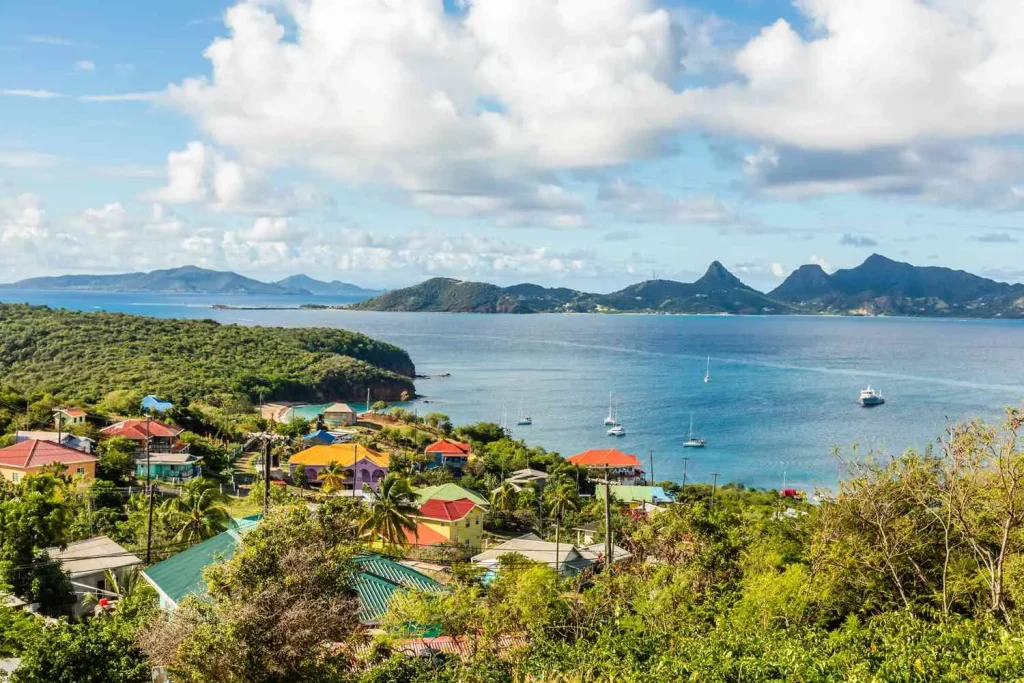
St. Vincent and the Grenadines is in the southern Caribbean, between Saint Lucia and Grenada. The main island is Saint Vincent. It is the center for culture and government. The Grenadines include islands like Bequia, Mustique, Canouan, Union Island, and the Tobago Cays. Each island is different and beautiful.
SVG is not heavily developed for tourism, which helps preserve its authentic charm. Life here feels simple, local, and closely connected to nature. Visitors can discover handmade crafts, small communities, and a slower pace of life that reflects the true spirit of the islands.
Our St. Vincent & The Grenadines Travel Guide highlights this balance between simplicity and comfort, a combination that makes the destination truly unique in the Caribbean.
Saint Vincent: The Cultural and Logistical Hub
Saint Vincent is the biggest island in the group and very beautiful. It has mountains, a volcano, and thick green forests everywhere. Nature lovers really enjoy this island. The capital city, Kingstown, is on the southwest coast. It is the main town, with a busy port, shops, and boats that go to the Grenadines. Many people start their trip here.
In Kingstown, the local markets are very colorful and lively. You can see fresh fruit, spices, fish, and handmade crafts. The markets are a great place to see local life and learn about Vincentian culture before going to quieter areas.
Inside the island, the scenery is wild and impressive. La Soufrière volcano is very tall and important. There are many forest trails for hiking and exploring. You can also find hidden waterfalls in protected areas.
This makes Saint Vincent perfect for eco-tourism and adventure. It is very different from the calm beaches of the Grenadines.
Even though it is the main island, Saint Vincent feels relaxed and peaceful. Visitors can enjoy a real local experience, not a busy tourist atmosphere.
The Grenadines: A Mosaic of Island Experiences
South of Saint Vincent you will find the Grenadines. This is a group of small islands and cays with very clear blue water and quiet places to anchor boats.
Each island is different, so visiting many of them is a great experience. The St. Vincent & The Grenadines Travel Guide suggest island-hopping to see the beauty of the whole area.
Bequia is the largest island in the Grenadines. It is famous for building wooden boats and for its harbor town, Port Elizabeth. The town has colorful houses, small cafés, and friendly people. A big event here is the Easter Regatta, with sailing races and local celebrations.
Mustique is very private and luxurious. It is a private island with beautiful villas, a few luxury hotels, and quiet beaches. Famous people often visit because it is peaceful and exclusive.
Canouan mixes luxury and nature. It has a modern marina, a golf course, luxury resorts, and beautiful sea life nearby.
Union Island is the gateway to the famous Tobago Cays. Visitors can get supplies, clear customs, and arrange transport here. The island has a very relaxed atmosphere and shows the true spirit of the Grenadines.
Tobago Cays Marine Park: A Caribbean Jewel
The Tobago Cays Marine Park in St. Vincent and the Grenadines feels almost too beautiful to be real. This small group of uninhabited islands is surrounded by colorful coral reefs and calm, crystal-clear lagoons, making it perfect for sailing, swimming, and snorkeling.
With no crowds and only nature all around, many travelers consider it one of the most stunning sailing spots in the Caribbean and a true highlight of any trip to the region.
When you’re looking at St. Vincent & The Grenadines Travel Guide, one place that really stands out is the Tobago Cays. It’s amazing for snorkeling, diving, and seeing wildlife. Just imagine being there, sea turtles are swimming slowly through the thick seaweed, rays are moving over the sand, and lots of different fish are swimming around the coral.
To keep this special place safe, there are rules about where you can anchor your boat and people working hard to protect it. The rangers are always watching to make sure everyone is being careful and not hurting the ocean. It’s really amazing to spend the night on a boat here, because you can be all alone under the stars and it feels very peaceful. The stars shine so brightly and it’s a very magical experience.
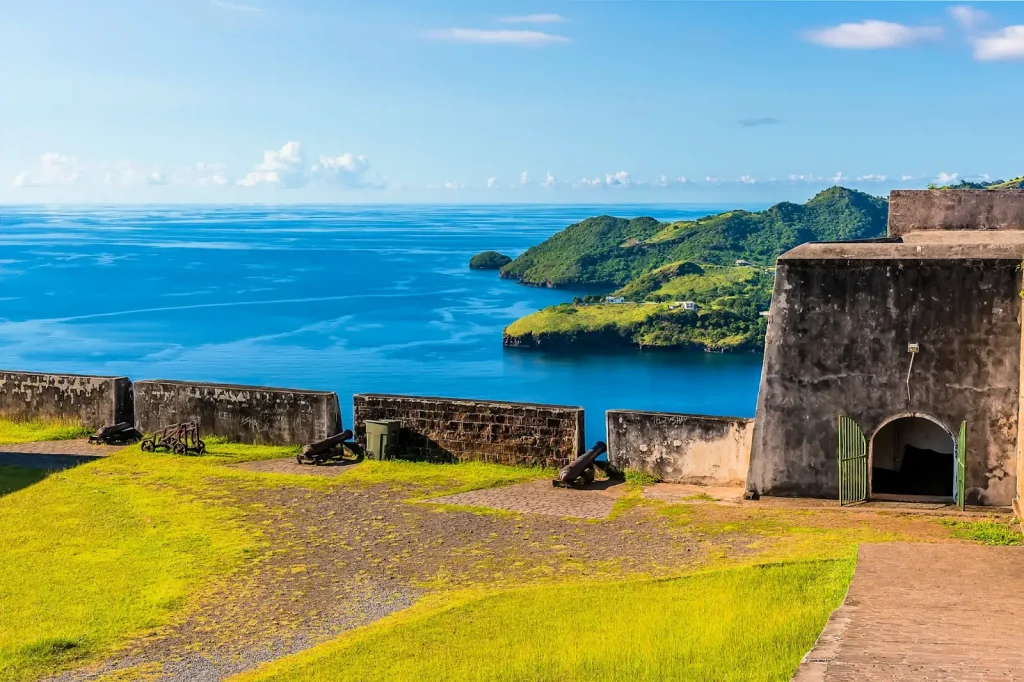
Beaches and Barefoot Luxury
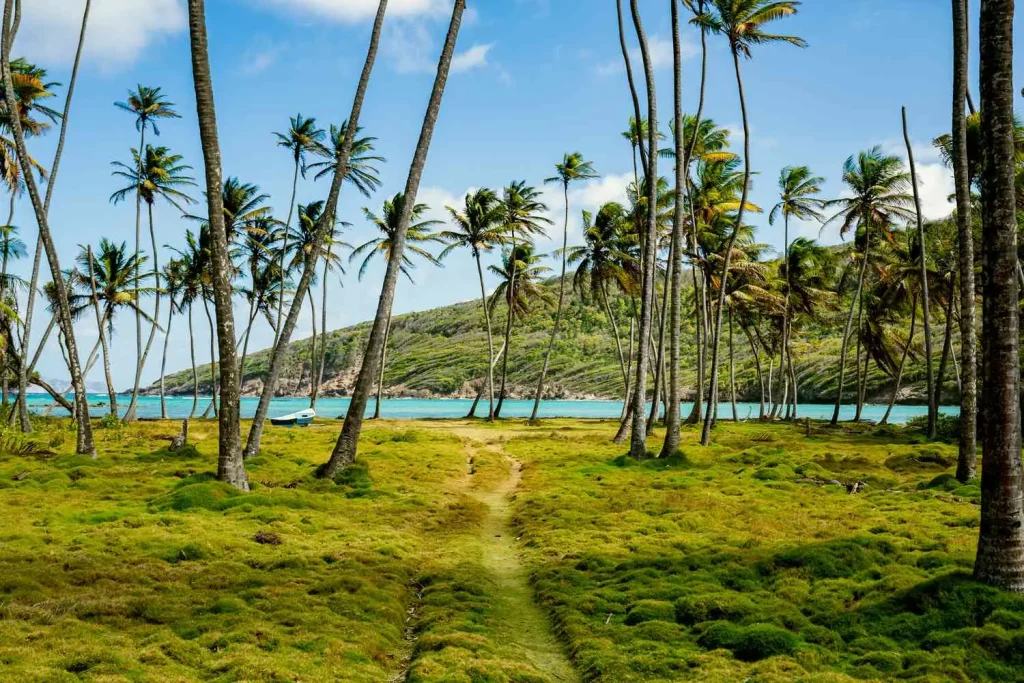
The beaches in St. Vincent and the Grenadines are quiet and not crowded. They are very peaceful and beautiful.
Lower Bay on Bequia has soft white sand and calm water. It is perfect for swimming and relaxing. Salt Whistle Bay on Mayreau is also very beautiful, with palm trees, clear blue water, and a curved beach.
This destination is known for “barefoot luxury.” It means you can enjoy comfort and high-quality experiences in a simple and relaxed way, without feeling formal.
Visitors can enjoy great activities, beautiful nature, and a calm atmosphere. There are also beach bars and small restaurants where you can eat fresh grilled seafood, tropical drinks, and local food. It is a wonderful way to experience island life.
Yachting and Maritime Culture
The Caribbean has many great places for sailing, and St. Vincent and the Grenadines is one of the best. The islands stretch over many miles of calm water, perfect for boats. You can sail from one island to another and stop in quiet bays. The wind is steady, and the distances are short.
Both experienced sailors and beginners can enjoy sailing here. The water is calm, the views are beautiful, and the experience is very relaxing.
There are marinas with services for boats, such as Blue Lagoon Marina on Saint Vincent, Port Elizabeth in Bequia, and Canouan Marina. Customs offices are also available on several islands, making travel easy.
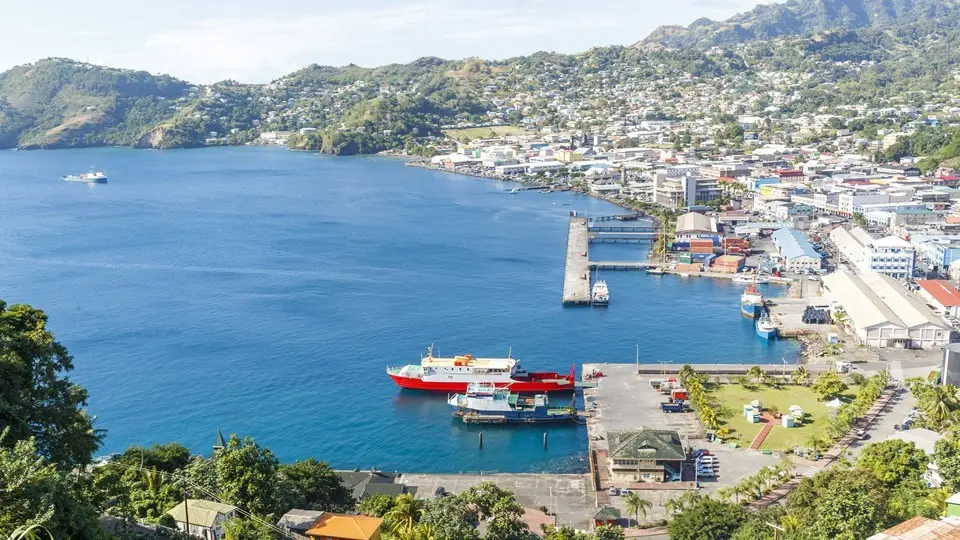
Our St. Vincent & The Grenadines Travel Guide explains that boating is very important here. It is not only for tourism but also for daily life. You can see local fishing boats next to luxury yachts, showing both tradition and modern life together.
Accessibility and Transportation
To reach St. Vincent and the Grenadines, most people fly through other Caribbean islands, like Barbados. The main airport is Argyle International Airport, which now accepts larger planes and more international flights.
There are also small airports on some Grenadine islands for local flights and private planes. You can travel between islands by ferry, but schedules may change, so it is good to be flexible. Our St. Vincent & The Grenadines Travel Guide says the travel can be slow, but the beautiful islands are worth it.
On the islands, transportation is simple. Taxis and private drivers are the easiest and most reliable ways to move around, especially if you do not know the local roads.
Culture and Community Life
Vincentian culture comes from African, European, and indigenous traditions. Music, stories, and community events are very important in daily life. Festivals, markets, and religious celebrations are great ways to see local culture.
Vincy Mas is the national carnival in summer. It has colorful parades, music, and dancing. The Bequia Easter Regatta is another big event with sailing races and celebrations that bring locals and visitors together.
Our St. Vincent & The Grenadines Travel Guide suggests meeting local people with respect and supporting small businesses and artisans.
Food on the islands comes mainly from the sea. Fresh fish, lobster, conch, tropical fruits, and vegetables are very common. Dishes are often cooked with local spices and traditional methods.
Climate and Best Time to Visit
St. Vincent and the Grenadines enjoys a warm tropical climate all year round, with gentle trade winds that keep the weather comfortable and pleasant. From December to May, the weather is dry and sunny, perfect for outdoor activities like sailing and diving. This is also the busiest tourist season.
In June and July, there are fewer visitors. Rain makes the islands very green and beautiful, but the weather is still warm. Many people choose this time for a quiet and relaxing trip. Travel guides often recommend this period for peace and good prices.
From late summer to autumn, hurricane season begins. Travel is still possible, but it is important to check the weather forecast and be prepared for storms.
Geographic Position and Strategic Importance
St. Vincent and the Grenadines is located between Saint Lucia and Grenada in the Windward Islands.
The islands form a natural route for boats traveling through the Caribbean. Because of this, many sailors stop here. Our St. Vincent & The Grenadines Travel Guide highlights its great location for yacht travelers.
The water is calm, lagoons are protected by coral reefs, and there are many safe places to anchor boats. This makes sailing easy and safe while enjoying the beautiful scenery.
Signature Experience | Catamaran Charter Through Tobago Cays
Sailing in the Tobago Cays Marine Park on a private catamaran is an amazing experience in St. Vincent and the Grenadines. The water is very clear, and you can snorkel over coral reefs full of colorful fish and sea life.
You can relax on the boat, enjoy the sun, and eat meals prepared by a chef while surrounded by a beautiful lagoon. Many travelers say this is the best part of their trip.
You can swim, snorkel, or simply rest and enjoy the peaceful sea. A private catamaran trip in the Tobago Cays is a perfect mix of adventure, relaxation, and luxury.
Sustainability and Conservation
The island of SVG is a hub for marine conservation in the Caribbean. One of the key players in this effort is the Tobago Cays Marine Park, which works to safeguard coral ecosystems and promote sustainable research practices.
To reduce the impact of human activity on the environment, the park has implemented measures to manage anchoring and mooring. When visiting the area, tourists are urged to adopt responsible tourism habits, such as treating wildlife with respect, reducing waste, and opting for tour operators that have earned eco-certification.
By taking these steps, visitors can help preserve the beauty and health of the marine ecosystem.
Looking after these islands is really important, so they stay as lovely as they are now. When people visit, they should try to be kind to the environment and the people who live here.
This helps keep the amazing views, animals, and way of life in St. Vincent and the Grenadines safe. Then, people who come in the future can see how special this place is too.
We want to make sure that everyone can enjoy and explore the beautiful beaches, forests, and villages for years to come. By being careful and respectful, we can all help make that happen.
St. Vincent & The Grenadines Travel Guide – Practical information
| Detail | Info |
| Time Difference to GMT | GMT-4 (Atlantic Standard Time) |
| Public Transport? | Limited; taxis, private transfers, and inter-island ferries are most common |
| Plug Type | Type A/B (US standard); some hotels offer UK Type G |