
Discover Aruba with this Aruba Travel Guide, highlighting its pristine shores, transparent azure waters, and vibrant Caribbean allure.
Aruba is often referred to as the “One Happy Island”, and it’s easy to see why – the atmosphere is infectious from the moment you arrive.
Located just off the coast of Venezuela in the southern Caribbean, Aruba boasts an incredible climate, with sunshine pouring down for most of the year. As we’ve outlined in our Aruba Travel Guide, the weather is definitely one of the top reasons to visit this beautiful island.
Table of Contents
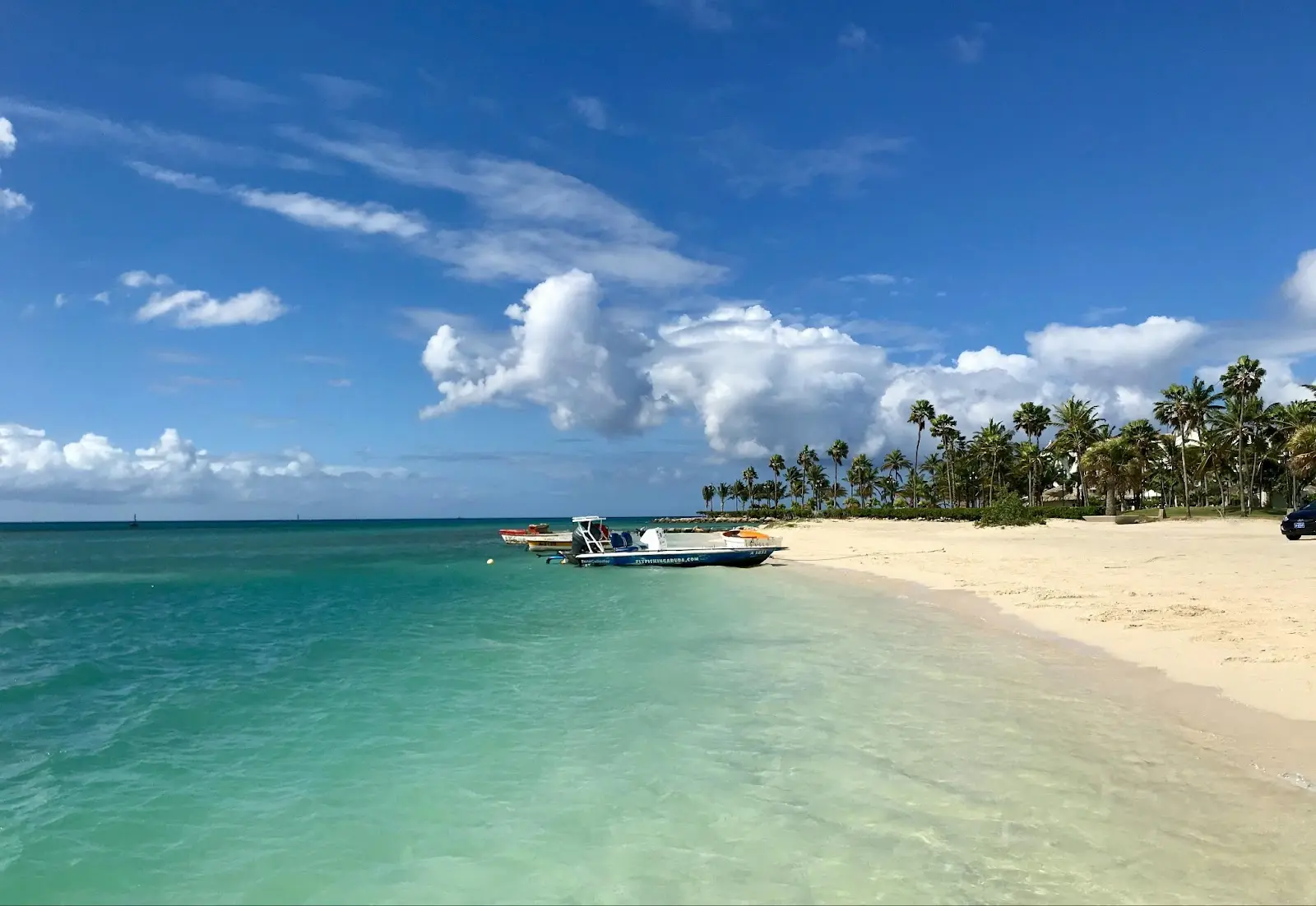
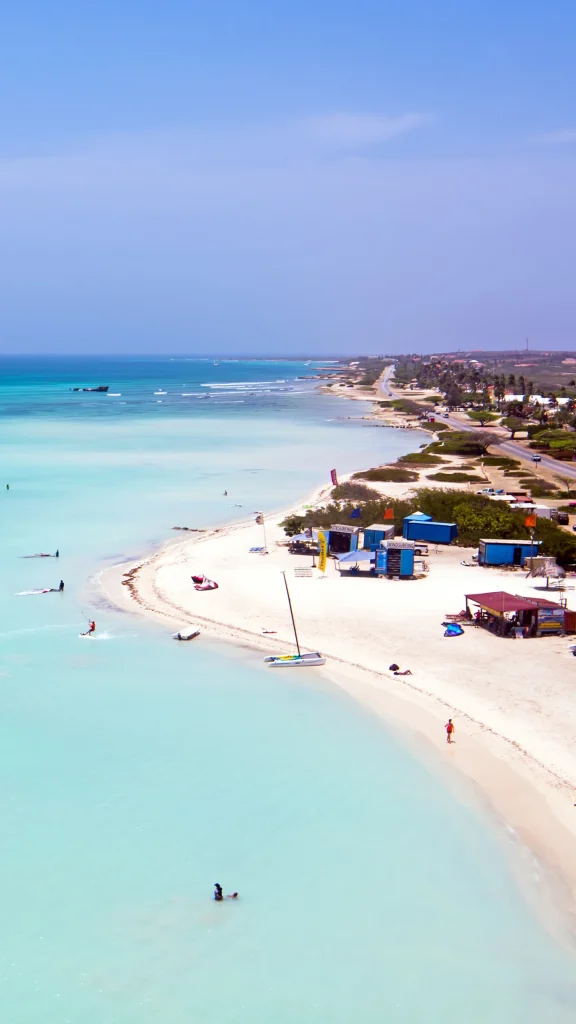
Aruba may be a tiny island, but it’s packed with a wide range of landscapes. If you head to the west coast, you’ll find stunning white beaches and calm, crystal-clear water that’s just perfect for swimming, snorkeling, or simply soaking up the sun.
But if you make your way to the northeast coast, it’s a whole different story the ocean is rough and wild, with huge waves crashing against the rocky shores, creating dramatic views that are shaped by the powerful Atlantic. And the best part is, you can easily experience both sides of the island in just one day, giving you a taste of the incredible diversity that Aruba has to offer.
Oranjestad, the capital, is a bustling town with a lot of character. You’ll find plenty of colorful buildings from the colonial era, as well as a wide range of shops, restaurants, and museums to explore.
The town’s cruise port is always busy, with flights and ships arriving regularly from all over the world, making it easy to get to. One of the best things to do in Oranjestad is take a stroll along the waterfront, where you can soak up the atmosphere and enjoy the views.
You can also visit the local markets, which are full of interesting sights and sounds. And if you’re looking for some relaxation, there are some beautiful beaches and attractions just a short trip away from the town.
Aruba is one of the ABC Islands, along with Bonaire and Curaçao. What’s great about Aruba is that it’s located far to the south, which means it’s outside the main hurricane belt.
This makes it a pretty reliable destination, no matter what time of year you’re planning to visit. The dry climate and steady trade winds also help to keep storms to a minimum, so you can plan your trip with confidence, without worrying about the weather ruining your plans.
Beaches and Coastal Experiences
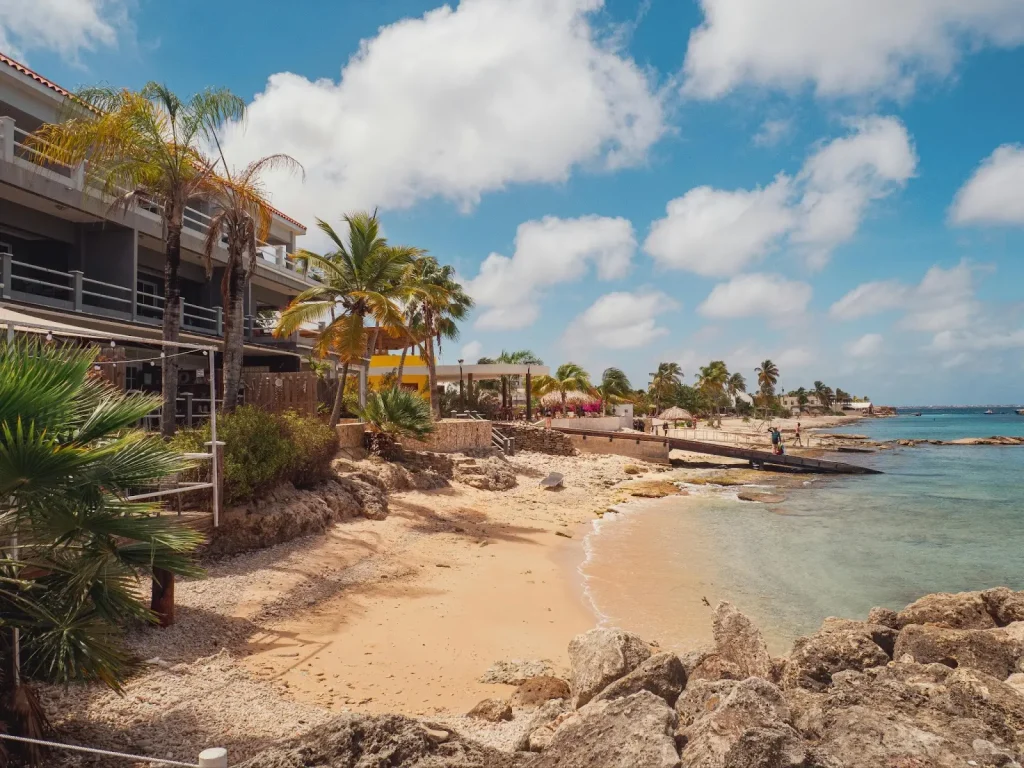
Aruba is famous for its beautiful beaches, some of the best in the Caribbean. Eagle Beach has soft white sand and famous divi-divi trees. Palm Beach is more lively, with resorts, water sports, and beach clubs.
If you’re looking for a peaceful spot, the north and east coasts are home to some amazing hidden beaches. Two of the best ones are Boca Catalina and Baby Beach, they’re perfect for snorkeling because the water is so calm and clear.
When you’re out there, you can see all sorts of colorful fish, sea turtles, and if you’re lucky, even rays.
As highlighted in our Aruba Travel Guide, these quieter beaches offer some of the island’s best snorkeling experiences.
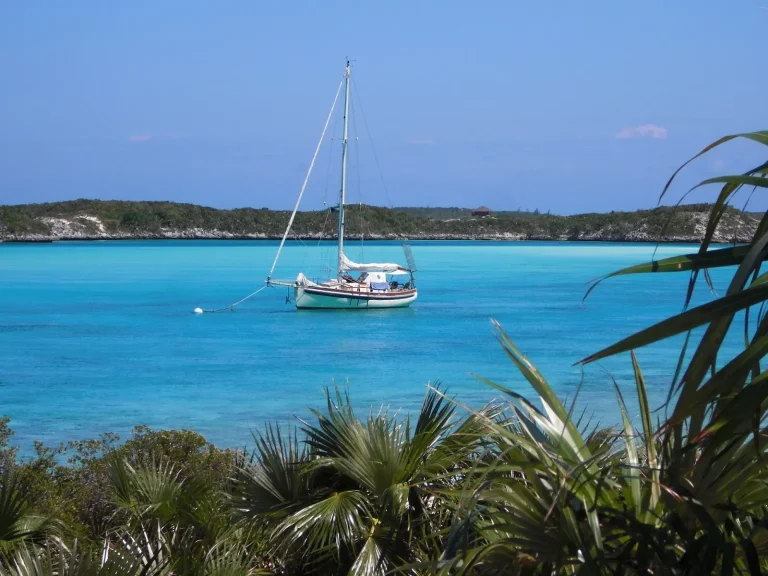
Sailing and catamaran trips are really popular too. There’s something special about sunset cruises on the west coast the golden light, the views of the ocean, and the cool breezes all come together to create an unforgettable experience.
Whether you’re looking for a relaxing evening out or an exciting adventure, these trips have something for everyone.
Arikok National Park and the Wild Interior
Aruba is not only beaches. The island also has a dry and wild landscape. Arikok National Park shows this side of Aruba and covers about 20% of the island. As highlighted in our Aruba travel guide, it is one of the island’s must-see natural areas.
The park is great for hiking, nature, and exploring something different. It shows a new side of Aruba that many visitors do not expect.
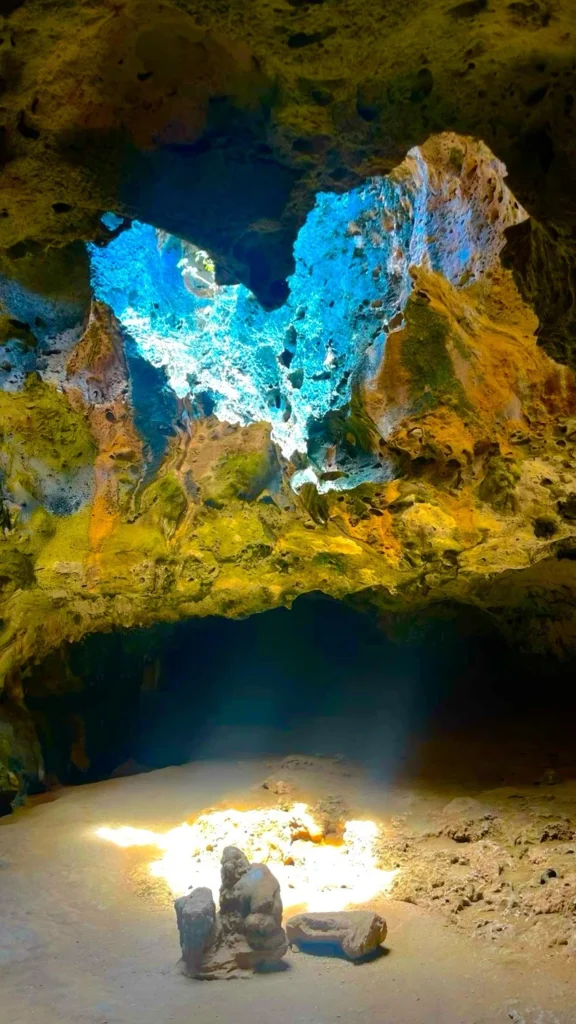
You can explore some really cool spots, like the Natural Pool, which is a tiny pool of seawater surrounded by rocks, and the Fontein Cave, where you can check out old drawings made by the Arawak people. The park is also home to lots of birds, lizards, and plants that are used to living in the desert. It’s a great place to see all these different things up close.
Visiting the park is a great adventure, and most people like to do it with a jeep, which is a good way to see everything. But if you’re feeling energetic, there are also some amazing hiking trails to check out. To make the most of your trip, try to get there early in the morning, that way you can avoid the heat of the day and the crowds that come with it.
Culture, Cuisine, and Local Life
Aruba is a special place with a blend of different cultures, thanks to its Dutch history, Caribbean roots, and close ties to Venezuela.
The people of Aruba speak Papiamento and Dutch, but you’ll also hear a lot of English and Spanish being spoken, which makes it really easy for visitors from all over the world to feel at home right away.
The island’s food is a big part of everyday life. When you visit, you can try all sorts of delicious things like super fresh seafood, hearty stews that have been cooking for hours, yummy street food, and dishes that taste like the tropics, all mixed together with flavors from different cultures.
Like we said in our guide to traveling in Aruba, the food on the island shows how lots of different cultures have come together, and how much the island loves the sea.
Aruba’s culture and community are really vibrant, and a big part of that is because of all the amazing festivals they have. The most famous one is definitely Carnival, it’s like a huge party that goes on for weeks, with parades, music, and dancing in the streets. People wear these incredible costumes and just let loose.
But that’s not all, throughout the year, the island also hosts all sorts of other events like sports competitions, music festivals, and local celebrations. These are great ways for visitors to experience the real Aruba, you know, the authentic traditions and the warm, welcoming spirit of the people who live there.
It’s a really special place, and the festivals are a big part of what makes it so unique. Whether you’re into music, sports, or just want to immerse yourself in a new culture, Aruba’s got something for everyone.

Accessibility and Infrastructure
Getting to Aruba is very easy.With Queen Beatrix International Airport offering direct flights from both North America and Europe, traveling is straightforward and hassle-free. The airport itself is well-organized, which means arrivals are typically quick and efficient, making your journey to this beautiful island even more enjoyable.
Traveling around the island is a breeze. Lots of people rent cars to see all the sights. You can also count on taxis and private drivers to get you where you need to go. And if you’re on a budget, public buses are a great way to get between towns and beaches without breaking the bank.
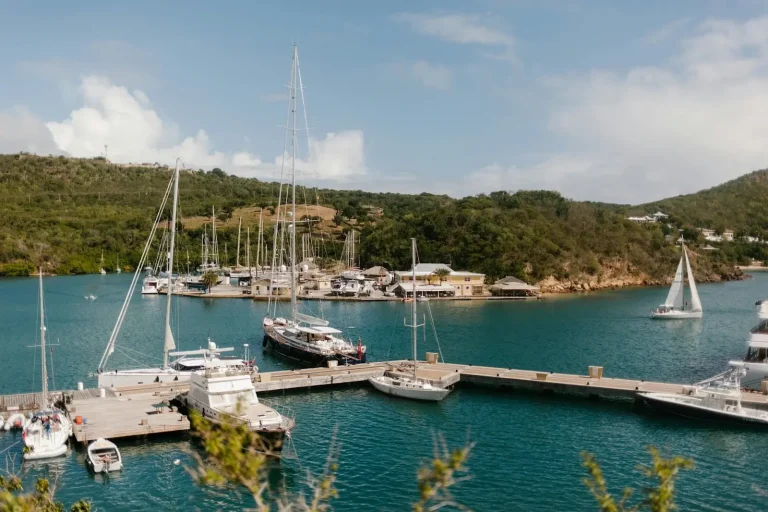
Getting to Aruba by yacht is a great idea. The island has some really nice marinas with all the modern services you need, like fuel, supplies, and good security.
As highlighted in our Aruba travel guide, Aruba’s well-developed nautical infrastructure makes it a strategic stop for sailors navigating the southern Caribbean.
This makes it a perfect place to stop if you’re sailing around the Caribbean. You’ll find everything you need to keep your boat running smoothly, and it’s a convenient spot to take a break and enjoy the island.
Climate and Best Time to Visit
Aruba is a great place to visit if you like warm and sunny weather. It’s one of the best islands in the Caribbean because the weather is always nice.
The trade winds from the Atlantic Ocean help keep things cool, even when it’s really hot outside. And the best part is, it doesn’t rain much, especially on the west coast where all the nice beaches and resorts are. This makes it a perfect spot for people who want to relax and have fun in the sun.
The warm weather is steady all year round, so you can plan your trip anytime and still have a great time.
If you’re planning a trip to the island, you should know that from December to April is the busiest time. The weather is usually really nice dry, sunny, and breezy, which is perfect for people escaping colder places. But, because it’s so popular, prices are higher and the popular spots can get pretty crowded.
On the other hand, if you go between May and July or September and October, it’s a lot quieter, there are fewer people around, and you can find some great deals on places to stay. And the best part is, the beach is still amazing during these times.
Like we said in our travel guide for Aruba, these periods are great for travelers who want good weather without all the hustle and bustle, and who are looking for a better value for their money.
One of the best things about Aruba is that it’s located below the main hurricane belt. This means that, unlike a lot of other Caribbean islands, it doesn’t often get hit by really bad tropical storms.
As a result, planning a trip to Aruba is a lot easier and more predictable. You can relax and enjoy the beautiful beaches, outdoor activities, and natural scenery without worrying that bad weather will ruin your vacation. It’s nice to have peace of mind when you’re on vacation, knowing that you probably won’t have to deal with any disruptive weather.
Sustainability and Future Outlook
Environmental protection is very important in Aruba. As highlighted in our Aruba Travel Guide, sustainability is a key priority for the island. The Smart Island Initiative helps the island use clean energy and save water.
Solar panels and wind turbines are growing across the island, and many hotels now follow eco-friendly practices to protect nature. There are also special programs to protect coral reefs, fish, and other marine life in the ocean.
Visitors are asked to help too by using reef-safe sunscreen, saving water, and reducing plastic waste whenever possible. Even small actions can make a big difference for the environment.
You can also join guided eco-tours that teach you about nature, wildlife, and conservation while supporting local communities. These tours are a great way to enjoy Aruba in a responsible way.
Geographic Importance for Marine Travel
Aruba, tucked away in the southern Caribbean, is a vital port of call for vessels traveling between the Panama Canal, South America, and the rest of the Caribbean. On its western coast, you’ll find calm and peaceful anchorages, ideal for ships to drop anchor.
Meanwhile, the deep waters surrounding the island are well-suited for big yachts and cruise ships, making it a popular spot for these large vessels to stop and refuel. With its unique location, Aruba plays a significant role in the region’s maritime traffic, catering to a wide range of ships and boats that pass through its waters.
Aruba’s location near Venezuela makes it a key spot for big trade routes, but what really sets it apart is how stable and safe it is, thanks to its modern setup. This makes it a great place for people from all over the world to visit. And for those with superyachts, Aruba is more than just a convenient stop it’s also a chance to relax and take a break from their long trips.
Signature Experience: Private Catamaran Charter
When you check out our guide to Aruba, you’ll notice that we often recommend taking a trip on a private catamaran along the west coast.
As recommended in our Aruba Travel Guide, a private catamaran cruise along the west coast is one of the island’s most memorable experiences
These boat tours are really something special – they usually include snorkeling at amazing coral reefs, swimming in peaceful bays, and even meals on board.
It’s a fantastic way to spend the day, with a mix of relaxation, adventure, and stunning views all rolled into one.
Lots of tour companies are doing their part to help keep the ocean clean and safe for marine life. They follow special rules to make sure they don’t hurt the environment. One really cool thing you can do is go on a sunset cruise. It’s amazing to see the sky turn all sorts of colors like orange and pink as the sun sets over the water.
Aruba Travel Guide – Practical Information
| Detail | Info |
| Time Difference to GMT | GMT-5 (Eastern Standard Time) |
| Public Transport? | Taxis, ferries, and private shuttles available |
| Plug Type | Type A/B (U.S. standard) |
Aruba Travel Guide
An accredited organization offering tailored yacht charters, sailing lessons, and private excursions from English Harbour.