
“Where volcanic beauty meets refined coastal living,” as showcased in this St Lucia Travel Guide.
Saint Lucia is one of the most beautiful islands in the Caribbean, where tall volcanic mountains rise from the blue sea and green rainforests go down to quiet, hidden bays.
Table of Contents
If you take a look at a travel guide for St Lucia, you’ll soon discover a place that perfectly mixes stunning natural beauty with great hospitality and a thriving marine life.
This island has something for everyone, whether you’re an adventure junkie, a luxury seeker, or a yacht enthusiast looking for both ease and authenticity.
Saint Lucia is situated in the Windward Islands, in the Eastern Caribbean, with Martinique to the north and Saint Vincent to the south. This location makes it a great spot for boats traveling through the Lesser Antilles to stop and rest. What’s really special about Saint Lucia is its wild landscape, which is different from the flat coral islands you might find elsewhere.
This unique landscape creates lots of tiny climates, or microclimates, that are perfect for growing all sorts of things, and it also makes for some really beautiful valleys and coastlines that give the island its own special character.
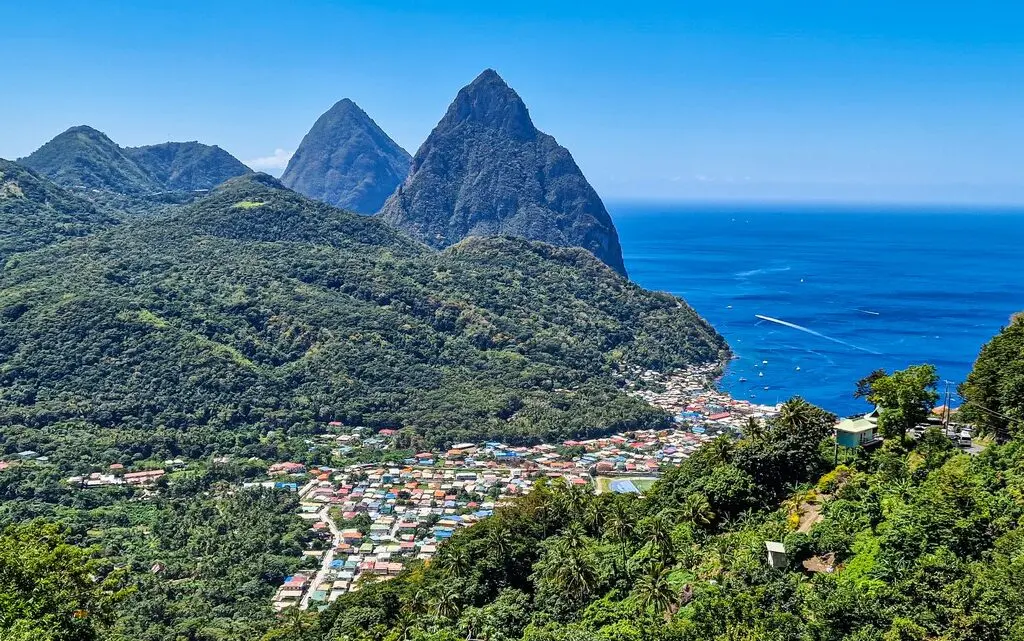
Castries, the capital, is the main center for government and business, while Rodney Bay is the island’s main marina and a popular area for restaurants, nightlife, and fun. On the southwestern coast, Soufrière offers a more laid-back vibe, framed by the iconic Piton mountains.
Our St Lucia Travel Guide shows you that these three areas are great for getting to know the island. They give you a taste of all the different things the island has to offer.
The Pitons and Volcanic Landscape
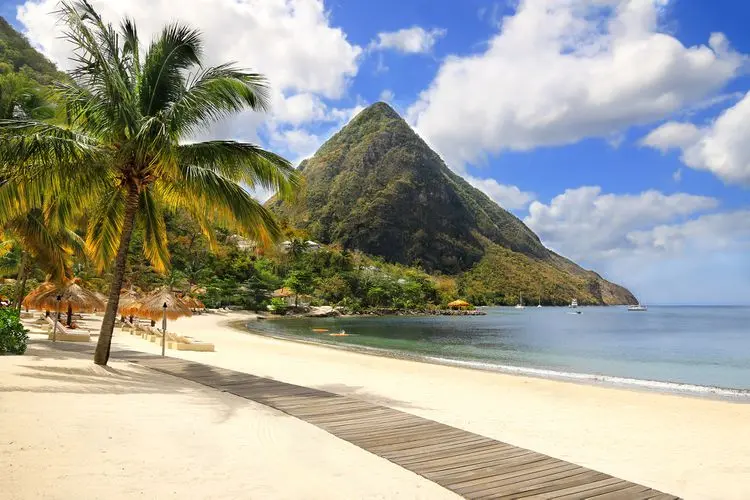
The Gros Piton and Petit Piton are definitely the most recognizable landmarks in Saint Lucia. These two incredible volcanic peaks rise up sharply from the ocean, making them a breathtaking sight to see. It’s no wonder they’ve been named a UNESCO World Heritage Site, they’re a perfect example of the island’s unique geology and the amazing variety of plants and animals that live there.
The way they tower over the sea is just amazing, and they really show off the island’s natural beauty.
If you’re looking for a real adventure, hiking up Gros Piton is something you shouldn’t miss. The views from the top are simply stunning… you can see for miles and miles along the coastline and out to the surrounding islands.
To get the most out of your hike, it’s a good idea to go with a guide, not just to stay safe, but also to learn all about the amazing plants and animals that live there, and the history of the area.
Hiking up Gros Piton is something many people who visit St Lucia say is one of the highlights of their trip to the island.
As highlighted in our St Lucia Travel Guide, hiking Gros Piton is considered one of the island’s most rewarding experiences.
As you make your way around, you’ll catch sight of some really unique plants and animals, and you can also learn about the history of the island, which is pretty fascinating.
Not far away is the famous Sulphur Springs, known as the world’s only “drive-in volcano.” Here you can see bubbling mud pools, steaming vents, and nearby mineral baths that feel like a natural spa.
The area offers a perfect mix of adventure and relaxation, showing just how unique and beautiful the island really is.
Rainforests, Waterfalls, and Biodiversity
Saint Lucia has a beautiful and lively natural landscape. The island’s interior is covered in rainforests, home to many animals and rare birds found nowhere else. There are plenty of hiking trails that let visitors explore this rich and colorful scenery.
Near the town of Soufrière, the Diamond Falls Botanical Gardens is a must-see. It features stunning mineral-colored waterfalls and a wide collection of tropical plants arranged in a peaceful garden setting.
Visitors can also enjoy adventures like chasing waterfalls, zip-lining through the forest, and guided nature walks. As highlighted in our St Lucia Travel Guide, eco-friendly activities allow visitors to experience the island while helping protect its fragile environment.
The island is just as impressive underwater. Coral reefs, seagrass beds, and diverse marine life make Saint Lucia a fantastic destination for snorkeling and diving, with protected marine areas helping preserve these beautiful ecosystems for the future.
Beaches and Coastal Living
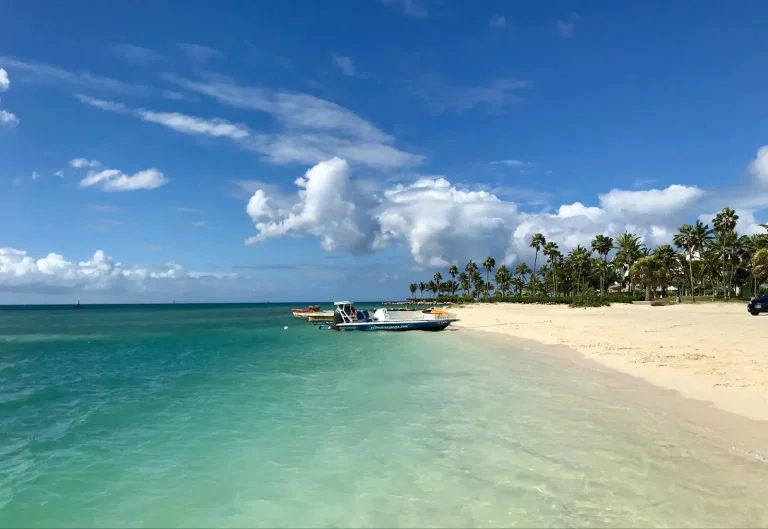
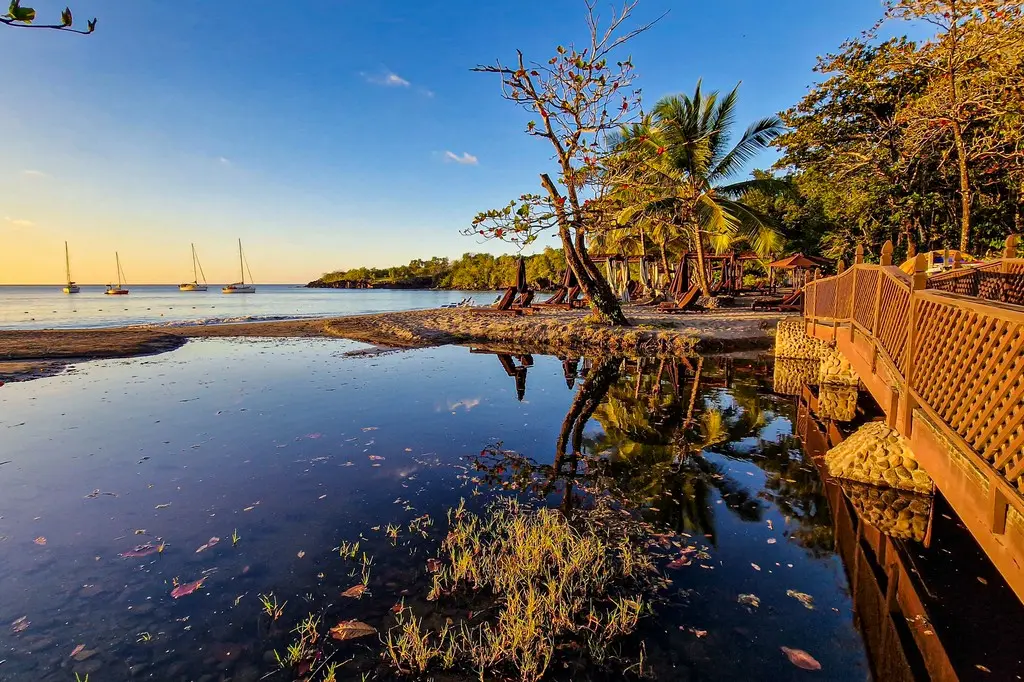
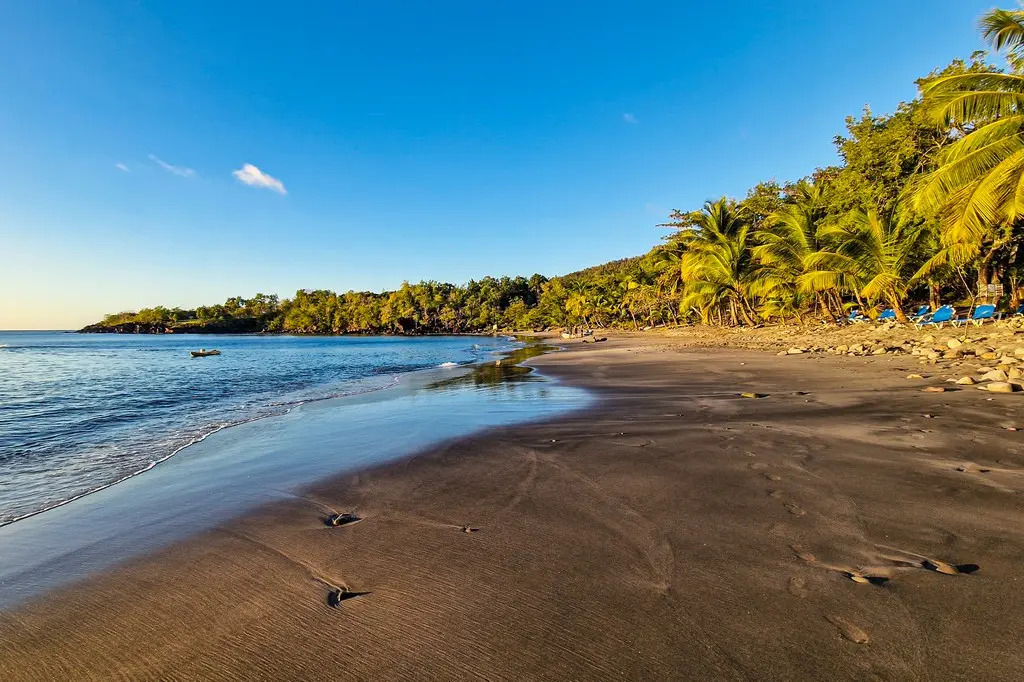
Saint Lucia has a beautiful and varied coastline. In the north, you’ll find golden sandy beaches, while the south has darker volcanic sand. Reduit Beach near Rodney Bay is one of the most popular spots, known for its calm water and great conditions for swimming and water sports.
Marigot Bay feels like a hidden paradise between green hills and is a favorite stop for yachts and small luxury resorts. Near Soufrière, Anse Chastanet and Anse Mamin offer stunning views and excellent snorkeling.
Our St Lucia Travel Guide also recommends these quieter beaches for their natural beauty and peaceful atmosphere.
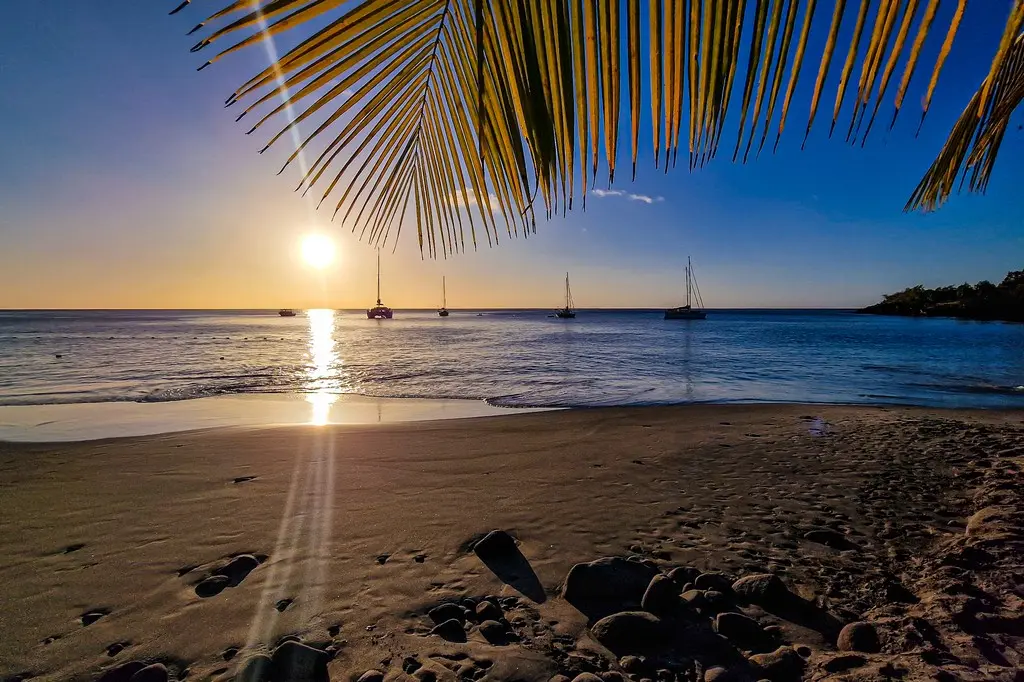
Life by the sea in Saint Lucia is relaxed and stylish, with beach clubs, waterfront restaurants, and hotels overlooking the ocean. The sunsets on the west coast are especially beautiful and are often a highlight of any visit.
Yachting and Marine Infrastructure
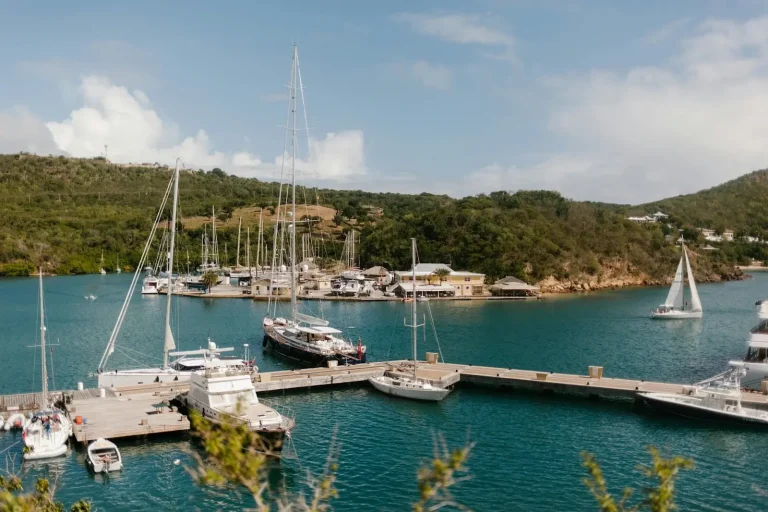
Saint Lucia is a key destination for sailing in the Caribbean. Rodney Bay Marina offers everything sailors need, from fuel and supplies to repair services, and it’s also a lively place to spend time, especially during busy sailing seasons.
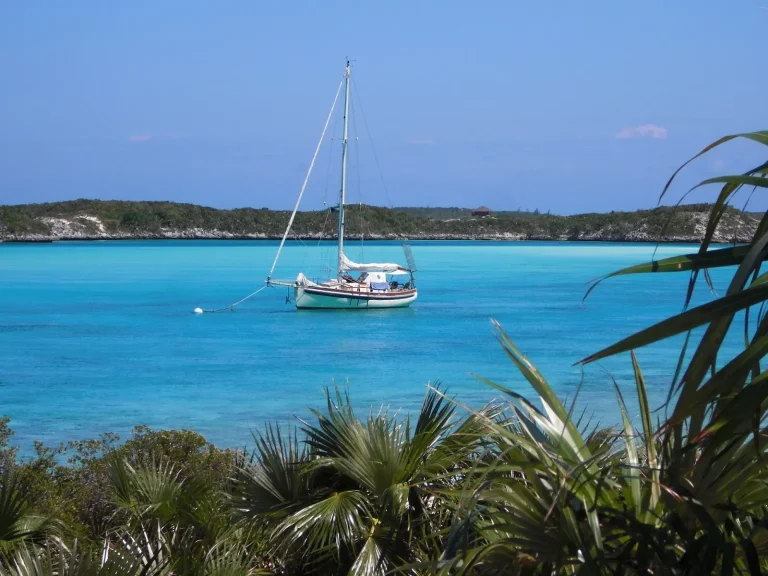
For a more unique experience, Soufrière lets boats anchor right beneath the dramatic Pitons, surrounded by breathtaking scenery. This contrast between Rodney Bay’s lively marina and Soufrière’s calm setting is something we also emphasize in our St Lucia Travel Guide.
Located in the Windward Islands, the island is also a great base for exploring nearby destinations like Martinique, Dominica, and the Grenadines. The calm waters along the west coast make anchoring and sailing especially pleasant.
Saint Lucia is also popular with superyachts thanks to its easy access, solid infrastructure, and stunning landscapes. Arrival procedures are efficient, and local authorities are experienced in handling international vessels.
Accessibility and Transportation
Saint Lucia has two airports that make it easy for people to visit. The first one is Hewanorra International Airport, which is in the south and has flights from far away, like from North America and Europe. The other one is George F. L. Charles Airport, and it’s near the city of Castries, mostly having flights to and from other islands in the Caribbean.
This means travelers can reach Saint Lucia quite easily. Transfers from the airport to the main resorts usually involve scenic drives through the island’s hills, and a private driver makes the journey more comfortable. The winding roads can make distances feel longer than they actually are.
As we note in our St Lucia Travel Guide, travel times can feel longer due to the island’s winding mountain roads.
Getting around is pretty easy, with minibuses and other public transport available. But, to be honest, most people prefer to take taxis, use hotel shuttles, or rent a car. And if you’re sailing in, the marina services have got you covered with some handy transport options.
Culture, Community, and Lifestyle
Saint Lucia is a place with a really interesting mix of cultures, you can see African, French, and British influences all over the island. Even though English is the official language that everyone is supposed to speak, in everyday conversations, people usually use a language called French-based Creole.
This mix of languages is a result of the island’s complex and sometimes difficult history with different countries ruling over it.
The local way of life really comes out at community events, where you can hear music, eat great food, and have a lot of fun.
One of the best things to do is go to the Friday night parties in Gros Islet, where you can dance in the streets, eat food from vendors, and listen to live music. As we highlight in our St Lucia Travel Guide, the Gros Islet Friday Night Street Party is one of the best ways to experience local culture.
The cuisine blends Caribbean flavors with European influences, featuring fresh seafood, tropical fruits, and bold spices. A classic dish is green fig and saltfish, which perfectly represents the island’s unique taste. Local rum is also famous and plays a big role in Saint Lucia’s food culture.
Festivals and Annual Events
Saint Lucia has many fun events all year, making the culture lively and exciting. One of the biggest events is the Saint Lucia Jazz & Arts Festival, where musicians and artists from all over the world come to perform. It’s a great mix of music, art, and food that people love. Another great event is Creole Heritage Month, where the island’s traditions, language, and crafts are on full display.
There are exhibitions, performances, and community activities that really bring the island’s culture to life. These celebrations show just how proud the island is of its heritage.
A lot of people who look at a travel guide for St Lucia plan their trips around the festivals. As highlighted in ourSt Lucia Travel Guide, visiting during festival season offers one of the most authentic ways to experience the island’s culture.
There are also lots of smaller events that happen all year round, which help bring the community together and make people feel like they belong.
Climate and Best Time to Visit
Saint Lucia has a lovely tropical climate, with gentle trade winds that keep it warm all year. From December to April is the dry season, with reliable weather that’s perfect for sailing, hiking, and outdoor activities.
As noted in our St Lucia Travel Guide, the dry season is generally the best time to enjoy the island’s outdoor activities and sailing conditions.
Warm temperatures and steady breezes make this the most popular time to visit.
For a quieter trip, May and June offer fewer crowds and a more relaxed atmosphere. The island looks especially lush and green after the rains, making it a beautiful time to explore at a slower pace.
Late summer and fall bring hurricane season, so the weather can be less predictable. Travel is still possible, but it’s wise to check forecasts and plan with flexibility.
Geographic Position and Strategic Importance
Saint Lucia is in a great spot, between Martinique and Saint Vincent, in the Windward Islands. The western side of the island meets the Caribbean Sea, with calm waters and deep bays that are just right for anchoring boats.
As highlighted in our St Lucia Travel Guide, the island is an excellent stop for yachts traveling through the Windward Islands.
It’s close to other islands like Dominica and the Grenadines, making it easy to plan a longer trip with many stops. You can sail to different places and have a lot of fun on the water.
The island’s location is perfect for people who love cruising and want to see many amazing things. With its beautiful beaches and exciting activities, Saint Lucia is a great place to visit, whether you’re on a yacht or just looking for a new adventure.
Signature Experience | Private West Coast Yacht Excursion
Taking a chartered catamaran or motor yacht trip along the stunning west coast of Saint Lucia is a fantastic way to dive into the island’s breathtaking seascape. You can explore hidden coves, snorkel in vibrant reefs, and enjoy delicious meals at waterfront restaurants that are only reachable by boat.
These excursions are among the highlights featured in our St Lucia Travel Guide. They’re a great way to see the beautiful scenery and get a personalized experience. Plus, who can forget the amazing sunset cruises near the Pitons – they’re really one of a kind!
Sustainability and Marine Conservation
Saint Lucia is working hard to protect its natural beauty. The Saint Lucia Marine Health Alliance (MHA) leads projects to restore coral reefs, seagrass, and mangroves.
Visitors have the chance to engage in eco-friendly activities like guided snorkeling tours, wildlife monitoring programs, and community-driven conservation projects.
If we’re careful about how we travel, we can help keep the island’s natural beauty safe for a long time. Being thoughtful about our actions means that people who visit St Lucia can still see how amazing it is, with its beautiful views and interesting culture, without it getting ruined.
We want to make sure that everyone who uses our St Lucia travel guide can keep enjoying the island’s stunning landscapes and rich cultural heritage, just as they are.
St Lucia Travel Guide – Practical Information
| Detail | Info |
| Time Difference to GMT | GMT-4 (Atlantic Standard Time) |
| Public Transport? | Limited; taxis and private transfers preferred |
| Plug Type | Type G (UK); Type A/B in select properties |